
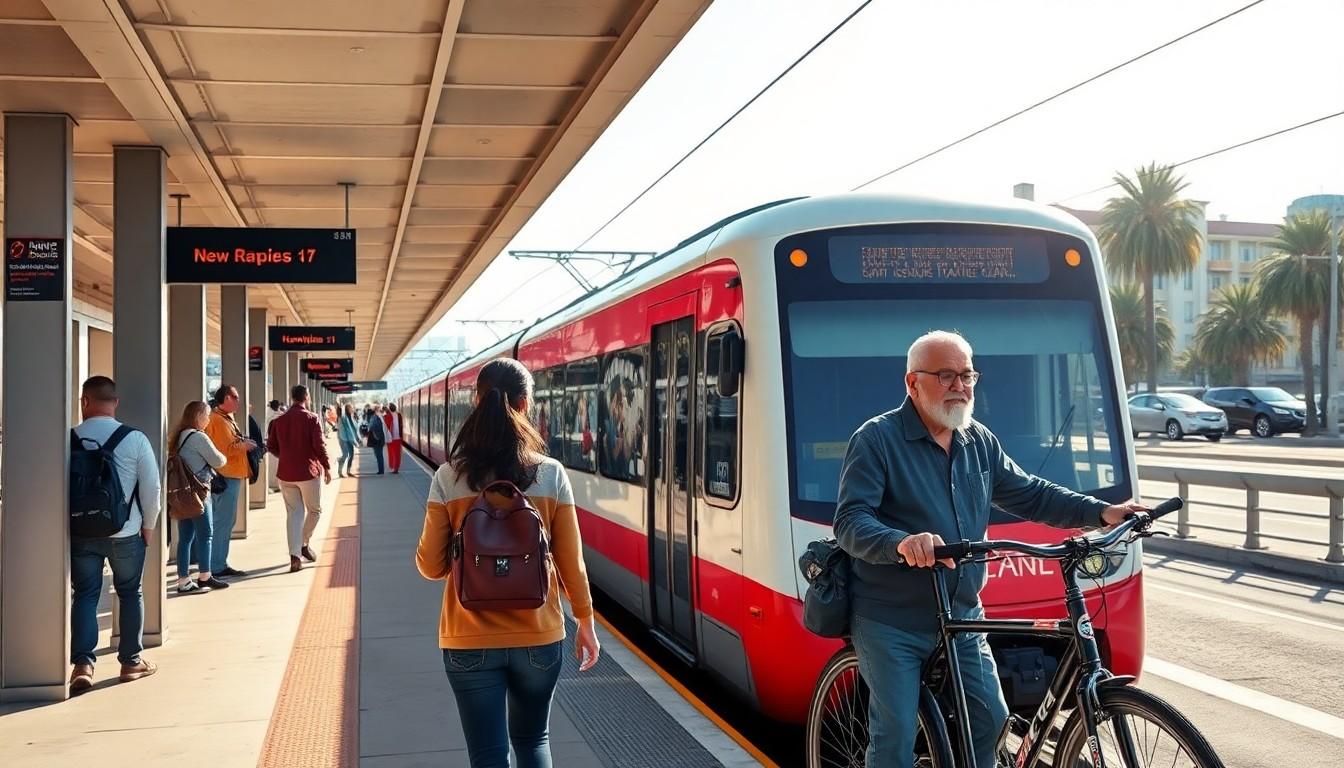
Navigating the bustling streets of San Jose doesn’t have to feel like a game of Frogger. With a robust public transit system at their fingertips, residents and visitors alike can zip around the city without the hassle of parking or traffic jams. From light rail to buses, San Jose’s public transit offers a reliable way to explore everything this vibrant city has to offer.
Overview of San Jose Public Transit
San Jose’s public transit system offers diverse transportation options that cater to the needs of its residents and visitors. Light rail services connect key areas, making trips across the city smooth and efficient. A network of bus routes complements the rail system, providing greater accessibility to neighborhoods and attractions.
Fare options are straightforward, allowing riders to choose from single-ride tickets, day passes, or monthly passes, which suit different travel needs. Discounts are available for seniors, students, and low-income individuals, promoting inclusivity.
Safety is a priority within this transit system. Regular maintenance and updates ensure that both buses and light rail vehicles maintain high standards of operation. Riders can access real-time tracking information through mobile apps, enhancing the travel experience.
The public transit system contributes significantly to reducing traffic congestion. By encouraging the use of public transportation, San Jose supports environmental sustainability and improves air quality. The city’s ongoing investments in transit infrastructure aim to expand services and enhance user convenience, ensuring a robust transit system for future growth.
Local partnerships further enhance the operation of public transit in San Jose. Collaborations with community organizations foster outreach and awareness about available services. With these elements combined, San Jose’s public transit system stands as a reliable and essential tool for navigating the city.
Types of Public Transit Options
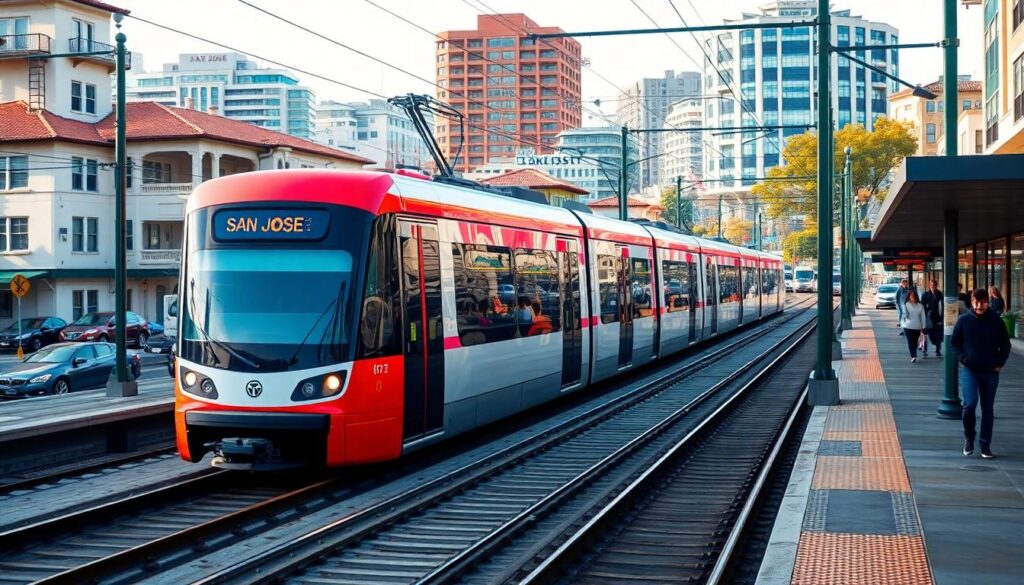
San Jose offers diverse public transit options that enhance mobility throughout the city. Residents and visitors can utilize the light rail system and bus services to navigate various neighborhoods and attractions.
Light Rail System
The light rail system spans over 42 miles, connecting key areas in San Jose, including downtown and major employment centers. Nine light rail lines operate, providing frequent service and reducing wait times for commuters. Stations are conveniently located near popular destinations, making access straightforward. Furthermore, light rail vehicles accommodate bicycles, promoting eco-friendly travel. Riders benefit from real-time tracking, ensuring they can plan their journeys effectively.
Bus Services
Bus services in San Jose cover an extensive network of 70 routes, enhancing accessibility across the city. Buses operate frequently, with select routes offering 24-hour service for late-night travel. Equipped with modern amenities, buses feature bike racks and accessibility options for individuals with disabilities. With regular updates to routes based on community needs, services adapt to improve rider experiences. Fares remain affordable, with various discount options available, making transit budgeting manageable for residents.
Key Features of San Jose Public Transit
San Jose’s public transit system stands out due to its commitment to accessibility and technology integration. These features offer a more convenient experience for all riders.
Accessibility and Inclusivity
Public transit in San Jose provides extensive accessibility options. Buses and light rail vehicles include features for individuals with disabilities. Elevated platforms and designated seating enhance comfort and usability. Moreover, transit services ensure that everyone can navigate the network with ease. Regular updates to routes and services reflect community needs. Safety initiatives, such as training for operators, promote an inclusive atmosphere for all passengers.
Technology Integration
Technology plays a vital role in San Jose’s public transit. Real-time tracking apps allow riders to monitor bus and light rail arrivals. Mobile ticketing simplifies fare payments, catering to the tech-savvy population. Users access information quickly, improving travel planning and reducing wait times. Online platforms also provide updates on service changes, ensuring passengers stay informed. Continuous investment in tech features seeks to enhance riders’ overall experience, making public transit a reliable option for daily commuting.
Advantages of Using San Jose Public Transit
San Jose Public Transit offers numerous advantages for daily commuters and visitors alike. Convenience stands out, as riders can navigate the city without worrying about parking or dealing with traffic. An extensive light rail network spans over 42 miles, linking major employment centers and downtown, making it easy to reach popular destinations.
Frequent service on nine light rail lines reduces wait times. These lines accommodate bicycles, promoting eco-friendly transportation choices. Public transit also provides real-time tracking for journey planning, allowing riders to stay informed about bus and train arrivals.
Bus services complement the light rail system, covering 70 routes with many operating frequently. Certain routes even run 24 hours, offering options for late-night travel needs. Equipped with modern amenities, buses include bike racks and accessibility features that cater to individuals with disabilities. Ongoing updates to service routes ensure the system adapts to community requirements.
Affordability remains a key advantage, with discounted fare options available for seniors, students, and low-income individuals. Budgeting for transit becomes manageable, enhancing access to essential services across the city. Safety measures, such as regular maintenance and operator training, bolster confidence in the system’s reliability.
Public transit plays a vital role in reducing congestion, supporting environmental sustainability, and improving air quality. Ongoing investments in infrastructure promise to expand services and enhance overall user experience. Local partnerships with community organizations further strengthen transit operations, making it an integral part of San Jose’s transportation landscape.
Integrating technology enhances the public transit experience. Real-time tracking apps keep riders informed, while mobile ticketing simplifies fare payments. Online platforms provide updates on service changes, aiding travel planning and minimizing wait times. Continuous investments in these technological features aim to further improve the transit experience for all users.
Challenges and Areas for Improvement
San Jose’s public transit system faces several challenges that impact its overall effectiveness. Service frequency lacks consistency on certain routes, leading to longer wait times for commuters. Additionally, some neighborhoods remain underserved, restricting access to transit for various communities.
Reliability issues also persist, as occasional delays and service interruptions can disrupt travel plans. Efforts are needed to enhance communication during such interruptions, ensuring users receive timely updates on service changes. Maintenance of vehicles and infrastructure poses another challenge. Aging equipment requires upgrades to maintain safety and comfort.
Funding for expansion remains a significant hurdle. Budget constraints limit opportunities for new infrastructure and service enhancements, which can hinder the ability to meet growing demand. Collaborations with local stakeholders may help address these funding gaps, promoting innovative solutions for improving transit services.
Public perception sometimes undermines transit usage. Many residents view public transit as less convenient compared to driving, impacting ridership levels. Educating the community about the advantages of using public transit can help shift these perceptions and encourage more sustainable travel behaviors.
Investments in technology also present an opportunity for improvement. While real-time tracking apps exist, increased usability and functionality would enhance the overall rider experience. Integrating payment systems and expanding mobile ticketing options could streamline fare collection and attract more users.
Overall, addressing these challenges and focusing on targeted improvements can enhance San Jose’s public transit system, making it a more viable option for residents and visitors alike.
San Jose’s public transit system presents a valuable option for navigating the city efficiently and affordably. While it offers significant benefits such as an extensive light rail network and modern bus services, addressing the existing challenges is crucial for enhancing user experience. Improvements in service frequency and infrastructure upgrades can boost reliability and accessibility.
Fostering a positive perception of public transit through community education will encourage more residents to embrace this sustainable travel option. With continued investment and innovation, San Jose’s public transit can evolve into a more robust solution for daily commuting needs.