

Remember the days when flying was an adventure, not a chore? The golden age of air travel transformed the skies into a glamorous escape, where passengers donned their best outfits and sipped cocktails at 30,000 feet. It wasn’t just about getting from point A to point B; it was about the journey itself, complete with fine dining and attentive service that made you feel like royalty.
As airlines competed to outshine each other, flying became a symbol of status and sophistication. Who wouldn’t want to relive the thrill of boarding a plane that felt more like a luxurious hotel than a cramped metal tube? This nostalgic era is worth revisiting, not just for the laughs but also for the lessons it offers in customer service and experience. Buckle up as we take a delightful trip down memory lane, exploring what made air travel a true high-flying affair.
The Golden Age of Air Travel
The golden age of air travel spans roughly from the 1940s to the 1970s, marking an era when aviation became accessible and enticing. Luxury defined the experience during this period, with airlines competing to offer the finest amenities and services. Passengers dressed in formal clothing, creating an atmosphere of elegance on flights. Fine dining options featured gourmet meals, with chefs preparing dishes designed for sophisticated palates.
Cabin crews provided exceptional service, often going beyond typical hospitality standards. They catered to individual needs, ensuring that every passenger felt pampered. Air travel symbolized status and sophistication, making it a preferred choice for both business and leisure travelers.
Airlines operated in a competitive market, striving to distinguish themselves through innovation and customer experience. The introduction of jet aircraft reduced travel times significantly, making international trips feasible and more appealing. Emotional connections formed through brand loyalty, as airlines sought to create memorable journeys.
Travelers enjoyed spacious seating, allowing for comfort on long flights. Lounges offered lounges and amenities, enhancing the travel experience before boarding. The ambiance of the aircraft featured elegant cabin designs, often adorned with fine materials.
Passengers also experienced a sense of adventure when flying, as air travel opened the world to exploration and opportunities. The nostalgia for this era resonates today, reminding the industry of the importance of customer service. Lessons from this period remain relevant, inspiring modern airlines to enhance experiences for every traveler.
Key Characteristics of the Era
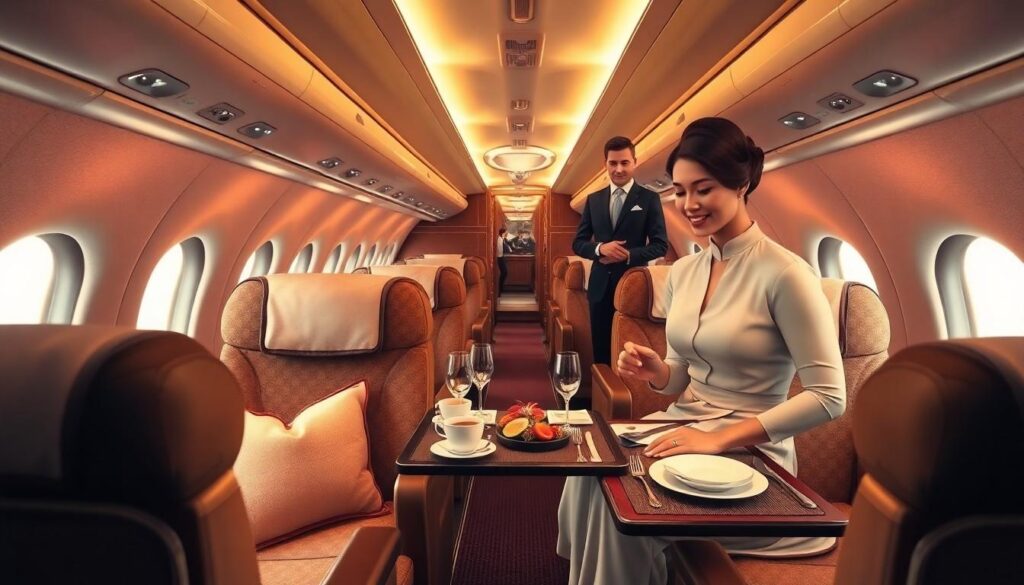
The golden age of air travel is marked by several distinct features, creating an unforgettable experience for passengers.
Luxury and Comfort
Luxury defined air travel during this era. Passengers dressed in elegant clothing, mirroring the sophistication of their journey. Gourmet meals enhanced the in-flight experience, often served on fine china. Cabin crew provided personalized attention, ensuring individual needs were met. Spacious seating configurations allowed for relaxation at cruising altitudes. Comfort extended beyond seating, with well-appointed lounges in airports before and after flights. Amenities like pillows and blankets added to overall satisfaction, transforming air travel into a lavish affair.
Technological Innovations
Innovations in aviation technology significantly altered the travel landscape. The introduction of jet aircraft in the 1950s drastically reduced flight times. Airlines invested in advanced navigational systems, improving safety and efficiency. In-flight entertainment systems began appearing, offering passengers movies and music during long-haul flights. Enhanced cabin pressurization allowed travelers to fly higher with greater comfort. To top it off, the emergence of wide-body aircraft enabled more people to enjoy air travel, promoting accessibility across the globe. These advancements fundamentally changed how individuals experienced air travel, making it appealing and exciting.
Major Airlines of the Time
Several airlines defined the golden age of air travel, creating a distinctive and luxurious experience.
Pan Am
Pan Am stood as a symbol of international air travel. Known for innovation, it introduced the first commercial jet service with the Boeing 707 in 1958. Passengers experienced unparalleled luxury, including well-appointed lounges and superb in-flight meals. The airline’s promotion of exotic destinations captivated travelers. Marketing campaigns emphasized adventure and glamour, making flying an alluring option. Cabins featured spacious seating and attentive service, enhancing overall comfort. Loyalty programs gained traction, reinforcing brand connections with frequent flyers.
TWA
TWA, or Trans World Airlines, also played a vital role in the era. It gained acclaim for its stylish image and modern fleet, including the Lockheed Constellation. Passengers enjoyed exceptional meals onboard, often served by impeccably dressed cabin crews. The airline focused on providing a welcoming atmosphere that encouraged passengers to return. TWA’s flights connected major cities, promoting ease of travel and accessibility. Their advertising captured the excitement of globetrotting, shaping public perception of air travel. Innovations in flight logistics solidified TWA as a prominent player among its competitors.
Iconic Aircraft
The golden age of air travel featured several iconic aircraft that transformed the aviation industry.
Boeing 707
Boeing 707 revolutionized air travel beginning in 1958. Its introduction marked a significant shift, with jet engines drastically reducing flight times. Airlines embraced this aircraft for its capacity, seating up to 189 passengers in a two-class configuration. Luxurious features included spacious cabins and improved soundproofing, enhancing passenger comfort. In-flight service became an integral part of the experience, with gourmet meals and attentive cabin crews. Notably, the Boeing 707 established a new standard for international travel, making it an undeniable symbol of airline innovation. Pan Am adopted this model as a flagship, leading to a surge in air travel popularity and influencing other airlines to upgrade their fleets.
Douglas DC-8
Introduced in 1958, the Douglas DC-8 quickly gained recognition as a powerful competitor to the Boeing 707. Known for its versatility, it offered various configurations, accommodating between 75 and 200 passengers. Airlines appreciated its range, enabling non-stop flights on longer routes. The cabin environment featured reclining seats and ample legroom, appealing to travelers seeking comfort. Enhanced technological designs contributed to its efficiency and reliability. TWA utilized the DC-8 effectively in its fleet, appealing to business travelers with excellent service. This aircraft played a vital role in the competitive landscape of air travel, solidifying its place in aviation history alongside its contemporaries.
Cultural Impact
The golden age of air travel deeply influenced culture and society. Luxury flying brought about changes in social interactions and perceptions of status. Frequent travelers showcased their journeys through dialogues surrounding air travel experiences. Enhanced accessibility to diverse destinations fostered global awareness, leading to richer cultural exchanges. Increased exposure to various cultures often encouraged a sense of adventure among the public. As air travel expanded, it transformed how people conducted business, shaping global economies and networks.
Influence on Society
Society evolved significantly during the golden age of air travel. Economic growth coincided with expanded access to air travel, enabling more people to enjoy the experience. Citizens embraced international travel, often bridging cultural divides. Airlines offered educational programs and promotions that inspired curiosity about global destinations. Captivated audiences experienced a shift in lifestyle, excited by new adventures and opportunities. Overall, the golden age of air travel catalyzed new societal norms, shaping modern travel expectations.
Representation in Media
Media representation during the golden age of air travel played a crucial role in shaping public perceptions. Films and advertisements glamorized the flying experience, heightening interest in air travel. Iconic images of stylish passengers enjoying gourmet meals captured the allure of flying. Television shows featured characters embarking on glamorous journeys, reinforcing the idea of adventure. Coverage of fully booked flights and airline innovations conveyed the growing popularity of air travel. Thus, media not only reflected but also amplified the cultural significance of air travel during this era.
The golden age of air travel remains a cherished chapter in aviation history. It transformed flying into an extraordinary experience filled with luxury and personal attention. The innovations and competitive spirit of airlines like Pan Am and TWA set high standards that continue to influence the industry today.
As travelers reflect on this era, they recognize the importance of exceptional service and comfort. The nostalgia for glamorous flights serves as a reminder of the potential for airlines to create memorable journeys. Embracing lessons from the past can help modern airlines enhance the travel experience and rekindle the sense of adventure that once defined flying.