

In today’s fast-paced world, navigating urban landscapes can be a daunting task. Transit apps have emerged as essential tools for commuters, offering a seamless way to plan journeys, track public transport, and avoid delays. With just a few taps on a smartphone, users gain access to real-time information that enhances their travel experience.
These apps not only save time but also promote smarter travel choices. By providing insights into various transit options, they empower users to make informed decisions that suit their schedules and preferences. As cities continue to evolve, embracing technology like transit apps can lead to more efficient and environmentally friendly transportation solutions, making daily commutes less stressful and more enjoyable.
Overview of Transit-Apps
Transit apps consolidate crucial information about public transportation, enabling commuters to navigate urban environments efficiently. Users benefit from features like real-time tracking, route planning, and schedule alerts.
- Real-Time Tracking: Transit apps provide live updates on the location of buses, trains, and other transit options, improving punctuality and user satisfaction.
- Route Planning: Users can input destinations and receive optimized routes, considering various transport modes such as buses, trains, and rideshares.
- Schedule Alerts: Transit apps notify users of delays or service changes, allowing for timely adjustments to travel plans.
- Multiple Transportation Options: Users compare different modes of transit, including public transport, biking, and walking, facilitating informed travel choices.
- Integrated Payment Solutions: Many transit apps allow users to purchase tickets or passes directly through the app, simplifying the fare collection process.
- User-Friendly Interfaces: Simplified designs make navigation intuitive, ensuring easy access to essential information for all users.
Transit apps contribute to a more organized and efficient commuting experience, aligning with the evolution of urban transportation systems.
Improved Navigation
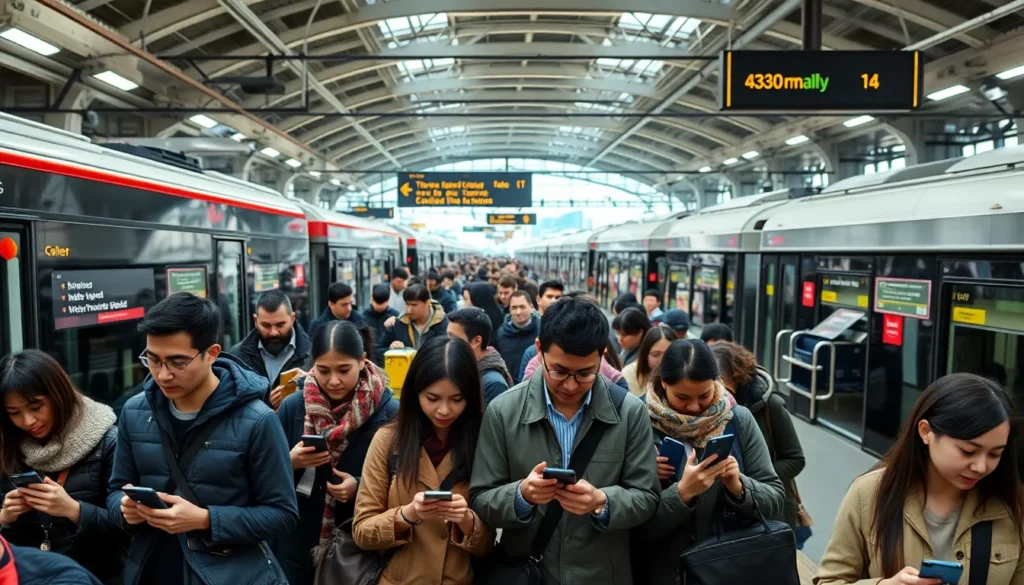
Transit apps enhance navigation by providing critical information that enables users to make informed travel decisions quickly. These tools utilize real-time data to improve commuting experiences, ensuring efficient movement through urban landscapes.
Real-Time Updates
Real-time updates deliver immediate information about transit schedules and traffic conditions. Transit apps inform users about delays, cancellations, and service changes, allowing commuters to adjust their plans accordingly. Notifications alert users to impending arrivals, ensuring they don’t miss their rides. By accessing this information instantly, users experience reduced wait times and increased reliability in their daily travel.
Route Optimization
Route optimization enhances the efficiency of each journey. Transit apps analyze user location, desired destination, and available transportation modes to suggest the fastest routes. Algorithms factor in real-time data such as traffic patterns and service schedules, which leads to personalized journey planning. Users receive alternative route options, which can help avoid congested areas. By selecting optimized routes, commuters save time and reduce the chances of encountering delays.
Cost Efficiency
Transit apps enhance cost efficiency for commuters by minimizing transportation expenses and providing alternatives to traditional travel methods. These tools help users identify cost-saving opportunities during their daily commutes.
Saving on Transportation Costs
Transit apps enable users to compare prices across various transportation options. Users can identify the most budget-friendly modes, whether it’s public transport, ridesharing, or biking. By offering real-time fare information, these apps allow users to make well-informed decisions that reduce overall commuting expenses. Additionally, many transit apps feature integrated payment systems that facilitate bulk purchases of transit passes or tickets, which often come at a discounted rate. This further lowers travel costs while streamlining the purchasing process.
Avoiding Parking Fees
Transit apps eliminate the need for costly parking by promoting the use of public transportation and biking. Commuters can easily locate nearby transit stations, minimizing the time spent searching for parking spaces. With features that highlight areas with excellent public transport connections, users can enjoy convenience without the financial burden of parking fees, which can range from $5 to over $20 per day in urban areas. By prioritizing public transport options, commuters effectively avoid parking-related expenses, contributing to overall cost efficiency.
Enhanced Accessibility
Transit apps enhance accessibility for all types of users, ensuring that everyone can navigate urban transportation effortlessly. These applications cater to various needs, making it easier to access public transit information.
Information for All Users
Transit apps deliver vital information tailored for diverse user groups. Commuters can access real-time updates, schedule changes, and service alerts. Users can customize notifications based on preferences, ensuring they receive relevant data for their journeys. The integration of maps and visual aids facilitates understanding for those unfamiliar with the transit system. Additionally, some apps offer multi-language support, reaching a broader audience and promoting inclusivity for non-native speakers.
Accessibility Features
Transit apps incorporate multiple accessibility features designed to accommodate all users. Voice-guided navigation assists individuals with visual impairments, providing audio cues for upcoming stops and transitions. High-contrast color options and larger text settings cater to users with visual challenges. Furthermore, step-free route options highlight accessible pathways for individuals with mobility disabilities. These features ensure that public transportation is not just available but welcoming for everyone, fostering an inclusive commuting experience.
Environmental Impact
Transit apps significantly contribute to environmental sustainability by promoting more efficient travel options and encouraging public transportation use. Their functionalities foster a decrease in individual vehicle reliance, which aids in reducing overall environmental degradation.
Reducing Carbon Footprint
Transit apps minimize carbon footprints by facilitating the use of public transport and alternative modes of travel. Public transportation emits approximately 45% less carbon dioxide per mile compared to private vehicles, according to the American Public Transportation Association. By optimizing route planning and providing real-time data, these apps help users select options that decrease travel distances and promote more eco-friendly choices. Moreover, integrating biking and walking information further supports reduced emissions, as users can mix these modes with public transit to enhance eco-efficiency.
Promoting Public Transit Use
Transit apps enhance public transit adoption by delivering real-time information, simplifying fare payments, and improving users’ overall experiences. With features such as route optimization and real-time updates, these applications make public transit more attractive and convenient. Studies show that cities with well-developed public transport systems experience lower car ownership rates, thus reducing traffic congestion and lowering pollution levels. By encouraging users to switch from private vehicles to public transport, transit apps lead to a significant decrease in urban air pollution and foster more sustainable communities.
Transit apps are transforming the way people navigate urban environments. By streamlining journey planning and providing real-time updates, these applications empower commuters to make informed decisions that save time and money. Their user-friendly design and accessibility features ensure that everyone can benefit from improved public transportation options.
Moreover, as cities continue to evolve, transit apps play a crucial role in promoting sustainable travel. They encourage the use of public transport and alternative modes, helping to reduce carbon footprints and enhance overall urban living. With their ability to optimize routes and minimize costs, transit apps are paving the way for smarter, more efficient commuting experiences.